

Retrospective Property Valuations: Can You Value a Property After Demolition?
If you’ve knocked down an old house to build a new home or duplex, you might hit a tax hurdle years later when it’s time to sell. Your accountant asks for the property’s market value from a specific date in the past—perhaps when you first rented it out, or when you inherited it—to calculate your Capital Gains Tax (CGT). The catch? That original building no longer exists.
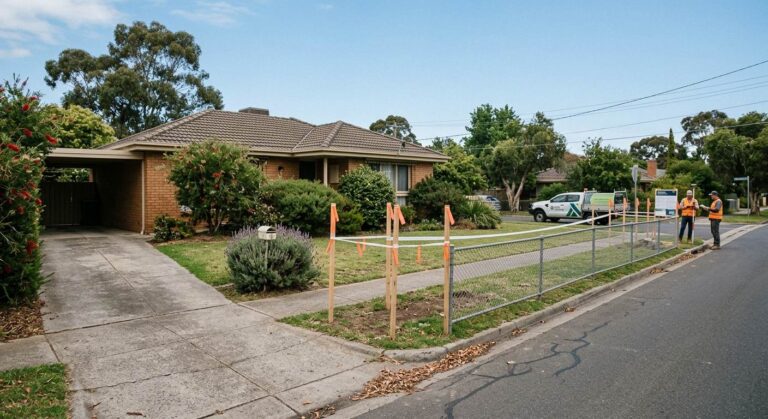
It is a common worry for Australian property investors, owner-builders, and executors. Fortunately, you can still obtain formal retrospective property valuations even after the original structure has been demolished. While a valuer obviously cannot walk through a house that isn’t there anymore, certified valuers use established forensic methods and historical property records to determine what that property was worth on that exact date.
Summary
- Yes, it is possible: You can obtain a legally compliant backdated valuation after a building has been demolished.
- Why it matters for CGT: The Australian Taxation Office (ATO) frequently requires a historical market value to establish your property’s “cost base”—such as when a main residence first becomes income-producing (the “home first used to produce income” rule) or for deceased estates.
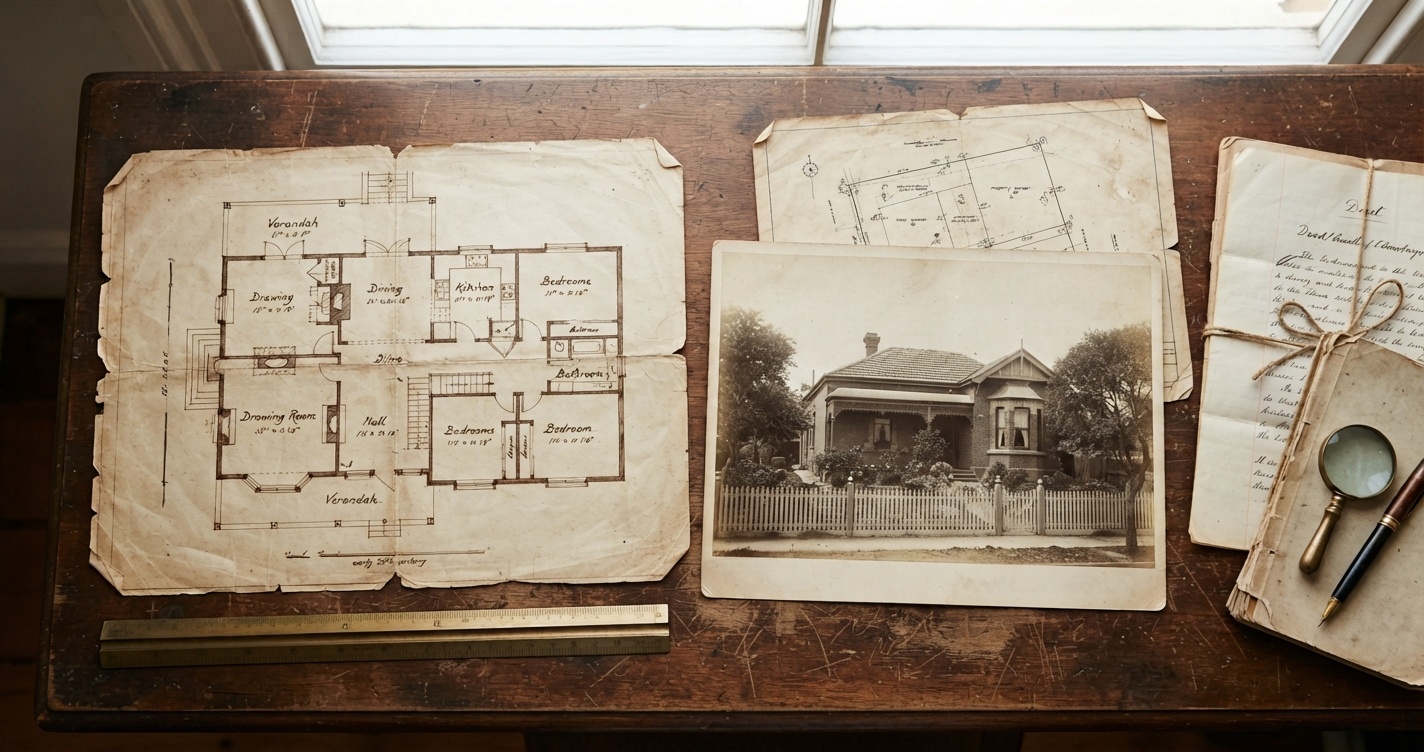
- How valuers do it without the building: Instead of a physical walkthrough of the old structure, valuers inspect the land today and reconstruct the past property using historical sales data, archived real estate listings, council development applications (DAs), building plans, and aerial imagery.
- What you need to provide: Gathering old photos, floor plans, renovation receipts, and council records significantly strengthens the accuracy and defensibility of the valuation report if the ATO reviews your tax return.
How Retrospective Property Valuations Work Without the Original Building
When a property still stands, a valuer inspects its current condition and works backward. When the structure has been cleared for a knock-down rebuild or subdivision, the process shifts from physical building inspection to historical reconstruction.
Retrospective property valuations are not guesswork. Under Australian Property Institute (API) standards, a Certified Practising Valuer (CPV) determines the market value of the property—comprising both the land and the improvements that existed at the specific valuation date.
To do this accurately, the valuer still conducts a physical inspection of the site today. Visiting the land allows them to assess permanent factors that haven’t changed, including:
- Block size, topography, slope, and aspect
- Street appeal, proximity to transport, schools, and local amenities
- Zoning restrictions, easements, or environmental overlays
- Orientation and views (accounting for any new neighbouring builds that weren’t there at the valuation date)
From there, the valuer pieces together what stood on the block at the relevant date and compares it against comparable properties that sold around that exact time.
Common Australian Tax Scenarios Where This Applies
You rarely need a backdated valuation on a demolished home for bank lending. Almost always, this requirement comes down to Australian tax compliance—specifically Capital Gains Tax.
1. Converting a Main Residence into an Investment Property
Under ATO rules, the home first used to produce income rule may require a market valuation when a former main residence first produces assessable income, provided the relevant CGT eligibility conditions are satisfied.
If you rented that house out for several years, eventually demolished it to build a new investment property or duplex, and later sold the new build, your accountant needs the market value of the original house and land on the exact day the first tenant moved in.
2. Inherited Properties and Deceased Estates
If you inherit a pre-CGT property (purchased before 20 September 1985) or a post-CGT main residence, your cost base is usually the property’s market value on the date of the deceased’s passing. If the beneficiaries knock down the rundown original house before selling the site, a backdated valuation as at the date of death is required to calculate any capital gain made since then.
3. Transferring Property Between Related Parties
If a property was transferred to a related party before demolition, a retrospective valuation may be needed to establish its historical market value, particularly when transferring investment property to a company or another connected entity.
What Evidence Does a Valuer Use to Reconstruct a Demolished Property?
Because the ATO scrutinises historical valuations—especially when large CGT exemptions or cost-base uplifts are involved—a valuer cannot simply assume the old house was in “average condition.” They rely on verifiable evidence to build a clear picture of the building’s size, layout, and quality at the valuation date.
Valuers typically draw from several sources:
- Archived Real Estate Listings: Platforms like CoreLogic (RP Data) and Pricefinder retain historical sales and rental listings, often including interior photos, floor plans, and agent descriptions from years or decades ago.
- Local Council Records: Development applications (DAs), Complying Development Certificates (CDCs), demolition permits, and old building plans lodged with your local council often detail the exact footprint, construction materials (e.g., weatherboard, brick veneer, fibro), and condition of the former dwelling.
- Historical Aerial and Street-Level Imagery: Tools like Nearmap, state government spatial portals, and historical Google Street View allow valuers to verify roof types, extensions, pools, sheds, and exterior maintenance at specific dates.
- Comparable Sales Data: The valuer analyses settled sales of similar homes in the same suburb within three to six months of your valuation date, adjusting for differences in land size, accommodation, and condition.
How Property Owners Can Help Strengthen the Report
If you are engaging a valuer for a demolished property, look through your own records before they begin. Providing any of the following will make the final report far more robust:
- Personal photos or videos showing the interior and exterior of the old house around the valuation date.
- Old building and pest inspection reports from when you originally purchased the property.
- Invoices or receipts for any renovations, kitchen updates, or structural repairs completed before the valuation date.
- Property management condition reports or depreciation schedules prepared while the house was tenanted.
Why Land-Only Value Isn’t Enough (And How the ATO Views It)
A common misconception among property owners is that if the house was eventually knocked down, it must have had zero value at the earlier date—meaning they can just use the unimproved land value.
From a valuation and tax perspective, that is rarely accurate. Even an older, dated 1960s brick home in Sydney, Melbourne, or Brisbane generally carried significant rental and utility value years before it reached the end of its economic life and was demolished.
When preparing retrospective property valuations for tax purposes, the valuer assesses the “highest and best use” of the property as at the historical date. If the old house was habitable and generating rent at that date, it added value above the bare land. Ignoring the building’s value—or conversely, overstating the condition of a derelict house—can lead to an inaccurate cost base and trigger an ATO audit.
Frequently Asked Questions
How far back can a retrospective property valuation go?
There is no strict time limit. Certified valuers regularly complete backdated valuations going back 10, 20, or even 30+ years—such as establishing values as at 20 September 1985 when Capital Gains Tax was introduced in Australia. The further back the date, the more the valuer relies on historical parish maps, council archives, and settled sales records rather than digital listing photos.
Will the ATO accept a real estate agent’s appraisal for a demolished house?
No. For Capital Gains Tax purposes, the ATO expects an objective, well-supported market valuation prepared by a qualified, independent valuer. A real estate agent’s comparative market analysis (CMA) or informal letter is generally not accepted as sufficient evidence if your tax return is reviewed, particularly when the physical building no longer exists to verify its condition.
What if I have no photos of the old house before it was knocked down?
You can still proceed. Valuers have access to professional property databases and council records that often contain old rental photos, floor plans, or demolition applications you may not have kept. Where interior finishes cannot be verified, the valuer will explicitly state their assumptions in the report (for example, assuming standard original condition for its era) so the methodology remains transparent and defensible.
Does a retrospective valuation include the cost of the new build?
No. A backdated valuation only determines what the property was worth on that specific past date. The costs you incurred later to demolish the old house and construct the new building are recorded separately by your accountant as capital works/improvements and added to your CGT cost base.
Conclusion
Demolishing an older building does not prevent you from meeting your Capital Gains Tax obligations. By combining a physical inspection of the land with historical sales data, council records, and archived imagery, a qualified valuer can accurately reconstruct what your property was worth at a specific date in the past.
If you are preparing a tax return following a knock-down rebuild or deceased estate sale, arranging compliant retrospective property valuations early gives your accountant the reliable figures needed to calculate your cost base accurately.
If you need an independent historical valuation for Capital Gains Tax, estate administration, or accounting compliance, our team specialises in backdated property assessments across Australia. You can discuss your property’s timeline and documentation requirements directly with Capital Gains Tax Valuers on +61 438 080 786.