

Pre Purchase Valuation for Units: How Car Spaces and Storage Cages Affect Unit Entitlement
You’ve found the unit. The location works, the kitchen’s fine, and the listing mentions a car space and a storage cage in the basement. Those extras sound like a bonus, and they might well be. But they can change what the unit is worth, how the strata scheme divides its costs, and what you can do with the property when you sell. This article explains how car spaces and storage cages fit into unit entitlements, and how assessing whether the asking price reflects market value can give you a clearer picture before you sign.
Summary
Car spaces and storage cages can be separate lots in a strata plan, or common property that’s been allocated to one unit for exclusive use. The difference affects ownership, the unit entitlement attached to them, and what you pay toward the building. A pre purchase valuation looks at the whole unit, including how the parking and storage are held, and what that means for value. Before you buy, check the strata plan, the by-laws, the schedule of unit entitlements and any upcoming capital works. If you’re buying as an investment, record how the price is split between the unit and its extras, as this can matter when you sell.
What a Pre Purchase Valuation Covers for a Unit
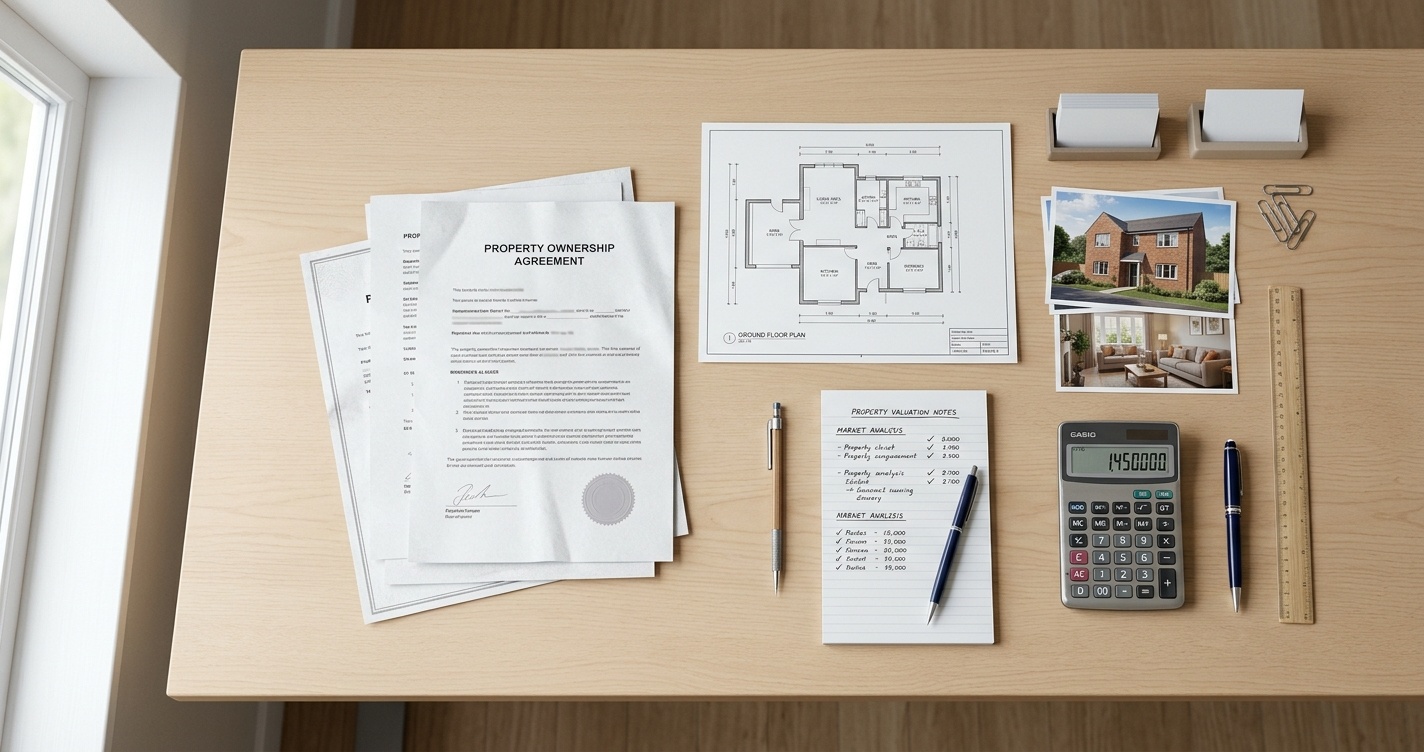
A pre purchase valuation is an independent assessment of a property’s market value before you exchange contracts. For a unit, it’s more than a look at the apartment. The valuer considers the lot size, floor level, aspect, condition and the strata scheme itself, including any parking and storage that goes with the sale.
It’s worth getting one when the asking price seems high for the unit, when the parking or storage arrangements aren’t clear, or when you’re borrowing and want to know how the property stacks up against what you’re paying. It isn’t legally required in most cases, but it gives you a documented view you can rely on rather than the agent’s opinion.
What Is Unit Entitlement and Why It Matters
Unit entitlement is a number set in the strata plan that determines each lot’s share of the scheme. In NSW it affects:
- Your share of the administrative and sinking fund levies
- Your voting strength at general meetings
- Your share of proceeds if the scheme is ever terminated
Other states use different terms. In Victoria, it’s lot entitlement and lot liability. In Queensland, it’s lot entitlement. The idea is broadly the same, but the rules for changing these numbers vary, so check the rules for the state where the property sits.
Unit entitlement isn’t a simple measure of square metres. It was usually calculated when the building was first registered and reflects relative values at that time. That’s why two units of similar size can have different entitlements.
How Car Spaces Affect Unit Entitlement
A car space can be held in one of two main ways:
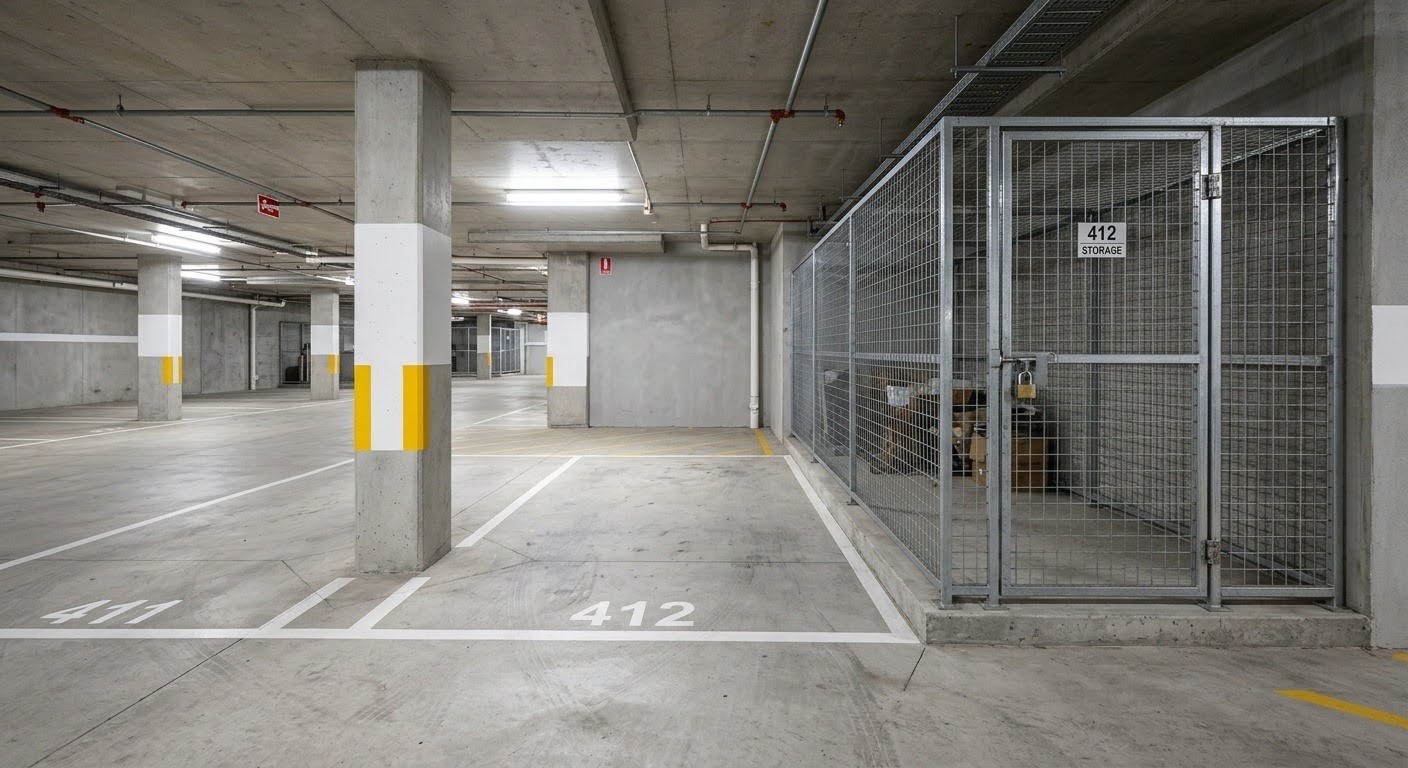
As a separate lot. The car space has its own title and its own unit entitlement, often a small number. You own it outright and can sell it separately.
As exclusive use common property. If the space is common property, a valid common property rights by-law may give the lot owner the exclusive right to use it. You don’t own the land, and the space usually doesn’t carry its own unit entitlement. Some schemes charge a periodic fee for exclusive use, so check whether one applies.
Practical differences also matter. Undercover spaces usually sell better than open or stacked ones. Tandem spaces, where you have to move one car to get out of the other, can limit use. A wide space near the lift is easier to live with than one at the far end of a dark basement. Electric vehicle charging, if installed, can add practical value, but only if the scheme’s rules allow it and the power supply is set up for it.
How Storage Cages Affect the Valuation
Storage cages follow the same logic as car spaces. A cage might be a separate lot, or exclusive use common property. A valuer will want to know which one applies, because it determines what you own and what the cage contributes to the unit’s value.
Size, security and condition all play a part. A well-lit, lockable cage in a secure basement is worth more to most buyers than a wire mesh enclosure near a bin area. Some schemes also limit what can be stored in cages, particularly flammable items, because of fire safety rules. If you’re planning to store bikes, a kayak or anything unusual, check the by-laws first.
Common Misconceptions
“Any car space adds the same value.” It doesn’t. Location, undercover versus open, width, access and condition all make a difference.
“Unit entitlement reflects size.” Not directly. It reflects the figure set in the strata plan, which may have been calculated decades ago.
“Exclusive use means I own the cage.” Not necessarily. Exclusive use gives you the right to use an area of common property. Ownership is a different thing.
“The strata report covers the parking and storage.” Strata reports are useful, but they don’t always assess the value of car spaces or cages. Ask specifically.
Questions to Check Before You Buy
- Is the car space or cage a separate lot, or exclusive use common property?
- Does the schedule of unit entitlements show the parking and storage, and what numbers are attached?
- Do the by-laws grant exclusive use, and is there a fee attached?
- Are the spaces tandem, stacked, or hard to access?
- Are there any planned or recent capital works affecting the basement?
- Are there restrictions on what can be stored in the cage, particularly for fire safety?
Your conveyancer or solicitor can confirm most of these from the contract documents and strata records. If you’re buying a property that is still under construction, it’s also worth checking how the proposed parking and storage arrangements are documented before signing.
If You’re Buying as an Investment
If the unit is an investment, the purchase price and any split between the unit, car space and storage matter later for capital gains tax. If you sell the unit and keep the car space or cage, or sell them separately, the cost base may need apportioning. A valuation at the time of purchase gives you a documented starting point. How this applies depends on your circumstances, so check the detail with your accountant.
Frequently Asked Questions
Do I need a pre purchase valuation for a strata unit?
It’s not always required, but it’s useful when the price, parking or storage arrangements aren’t clear, or when you want an independent view before you exchange.
Does a car space increase my unit entitlement?
Only if it’s a separate lot with its own entitlement. If it’s exclusive use common property, the entitlement usually stays with the unit.
Is a storage cage part of my unit?
It depends on how it’s registered. It could be a separate lot, or exclusive use common property. Check the strata plan and by-laws.
Can unit entitlements be changed after I buy?
Yes, but it’s usually a formal process with voting thresholds that vary by state. It isn’t something a single owner can do alone.
Who pays for a pre purchase valuation?
Usually the buyer, as it’s commissioned to inform your decision. Confirm the fee and scope with the valuer before engaging them.
Conclusion
Car spaces and storage cages can add real value to a unit, but only if you understand how they’re held and how they fit into the strata scheme. Check whether they’re separate lots or exclusive use areas, look at the unit entitlements and by-laws, and think about practical issues like access, security and fire rules. If you’re buying as an investment, keep a record of how the price is split, because it can matter when you sell.
Need Help With a Pre Purchase Valuation?
If you’re buying a unit with a car space or storage cage and want to understand what it’s worth and how it sits within the strata scheme, Capital Gains Tax Valuers can prepare a pre purchase valuation. Call 0438 080 786 to talk through your situation before you exchange contracts.