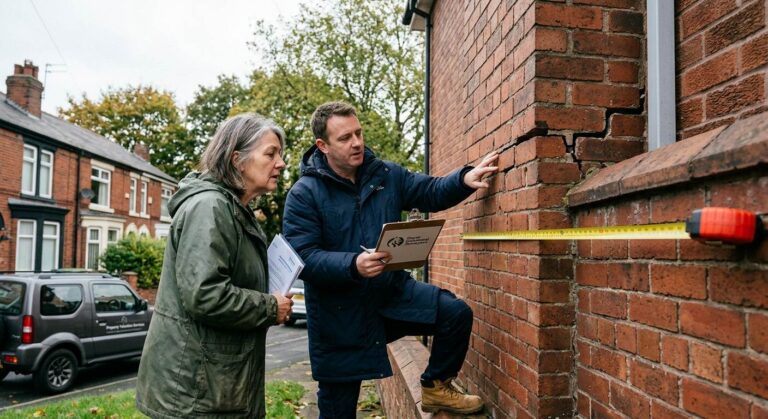


Why Buyers Should Get a Pre-Purchase Property Valuation Before Making an Offer

Buying a property is one of the largest financial decisions most people will ever make, yet many buyers enter negotiations relying largely on a real estate agent’s guidance and their own instinct about what the property is worth. An independent pre-purchase valuation helps close that information gap by giving buyers an evidence-based estimate of market value before they make an offer or become unconditionally committed to the purchase.
This guide explains why an independent pre-purchase valuation matters, what the valuation process involves, and the situations in which buyers can benefit most from obtaining one before finalising an offer on a property.
SUMMARY
What This Article Covers: This guide explains what a pre-purchase property valuation involves and why buyers benefit from obtaining one before making an offer. It covers how a pre-purchase valuation differs from a bank valuation or an agent’s appraisal, what a valuer actually assesses, and the specific situation where an independent pre-purchase figure is especially valuable. It also answers the questions buyers ask most often before engaging a valuer ahead of a purchase.
What a Pre-Purchase Property Valuation Actually Involves
A pre-purchase property valuation is an independent assessment of a property’s genuine market value, prepared by a licensed valuer before a buyer submits or finalises an offer. Unlike an agent’s appraisal, which is generally shaped around helping a vendor achieve the strongest possible sale price, a pre-purchase valuation has no interest in which direction the figure lands, since the valuer is engaged by the buyer and has no stake in whether the transaction ultimately proceeds.
This independence is precisely what makes a pre-purchase valuation genuinely useful. Rather than relying solely on what a selling agent suggests a property is worth, or estimating a figure based on limited knowledge of recent local sales, a buyer receives a documented, defensible assessment grounded in comparable sales evidence and a proper inspection of the property itself.
How a pre-purchase valuation differs from a Bank Valuation
A bank valuation is commissioned by a lender purely to confirm the property provides adequate security for a loan and tends to be conservative by design. A pre purchase valuation, by contrast, is commissioned directly by the buyer and prepared specifically to inform their own purchasing decision, often including more detailed commentary relevant to that buyer’s circumstances.
Why Getting the Price Right Matters So Much
Overpaying for a property is one of the most common and avoidable mistakes buyers make, often without realising it until well after settlement.
Avoiding Overpayment in a Competitive Market
In a fast-moving or competitive market, buyers can find themselves caught up in the pressure of an auction or multiple-offer situation, bidding beyond what a property is genuinely worth simply to secure the purchase. An independent valuation obtained beforehand gives buyers a clear ceiling to work from, reducing the risk of emotion driving the final price.
Negotiating From a Position of Confidence
Buyers armed with an independent valuation figure can negotiate with genuine confidence, pointing to a defensible, evidence-based number rather than relying on a vague sense that an asking price feels too high.
What a Valuer Assesses During a Pre-Purchase Inspection
A licensed valuer considers a range of property-specific factors when preparing a pre-purchase report, going well beyond a general impression of the market.
Comparable Sales Evidence
The valuer analyses genuinely comparable sales in the immediate area, adjusting for differences in size, condition, and features to arrive at a figure grounded in actual market transactions rather than general assumptions about the local market.
Property Condition and Improvements
Renovations, extensions, and general condition all affect a property’s value, and a pre-purchase valuation accounts for these factors in detail, helping a buyer understand whether the asking price genuinely reflects the property’s current state.
Current Market Conditions
Broader market conditions, including how quickly comparable properties have been selling and current buyer demand in the area, are factored into the assessment to ensure the figure reflects genuine, current conditions rather than outdated data.
Situations Where a Pre-Purchase Valuation Is Especially Valuable
While any buyer can benefit from an independent valuation, certain situations make obtaining one particularly worthwhile.
Unique or Unusual Properties
Properties with unusual features, larger land holdings, or characteristics that make direct comparison more difficult benefit significantly from a formal valuation, since informal estimates can vary widely when genuinely comparable sales are scarce.
Purchases Through an SMSF or Trust Structure
Buyers purchasing through an SMSF must be able to support the transaction value with objective and supportable market-value evidence. Whether a qualified independent valuation is required depends on the transaction and circumstances, while trust purchasers should obtain advice about any requirements arising from the trust deed, related-party dealings, finance arrangements or applicable tax rules.
Purchases in an Unfamiliar Area
Buyers purchasing in a suburb or region they are less familiar with benefit from an independent valuer’s genuine local market knowledge, reducing the risk of misjudging value based on limited personal experience of that area.
What Happens Without an Independent Valuation
Buyers who skip this step sometimes only realise the consequences well after settlement, once it becomes clear the price paid did not genuinely reflect the property’s true market position.
Discovering the Property Was Overvalued Too Late
Without an independent figure obtained beforehand, a buyer has little basis for comparison until well after the purchase has settled, by which point there is little practical recourse if the price paid turns out to have been well above genuine market value.
Missing an Opportunity to Negotiate Effectively
Buyers who rely solely on an agent’s guidance often miss the opportunity to negotiate from a position of genuine knowledge, since the agent’s role is ultimately to help the vendor achieve the best outcome rather than to protect the buyer’s interests.
When Buyers Should Get a Pre-Purchase Valuation
● Before submitting an offer in a competitive or fast-moving market
● When purchasing a unique property with limited comparable sales
● When buying through a self-managed super fund or trust structure
● When purchasing in an area the buyer is less familiar with
● When negotiating leverage is needed to support a lower offer
● When a buyer wants an independent, defensible figure before committing
Frequently Asked Questions
Q: What is a pre-purchase property valuation?
A: It is an independent assessment of a property’s market value obtained by a buyer before making or finalising an offer, prepared by a licensed valuer with no stake in the outcome.
Q: How is a pre-purchase valuation different from an agent’s appraisal?
A: An agent’s appraisal is generally shaped to help a vendor achieve a strong sale price, while a pre-purchase valuation is commissioned by the buyer and has no interest in which direction the figure lands.
Q: Can a pre-purchase valuation help with negotiation?
A: Yes. Buyers armed with an independent figure can negotiate with genuine confidence, pointing to a defensible number rather than relying on instinct alone.
Q: Is a pre-purchase valuation useful for unique properties?
A: Yes, particularly so. Properties with unusual features or limited comparable sales benefit significantly from a formal, independent assessment rather than a general estimate.
Q: Do SMSF buyers need a pre-purchase valuation?
A: Often yes. Buyers purchasing through a self-managed super fund frequently need an independent valuation to demonstrate the purchase is occurring at genuine market value.
Q: Does a pre-purchase valuation replace a building inspection?
A: No. A valuation focuses on market value, while a building inspection assesses structural condition, so buyers benefit from obtaining both before finalising a purchase.
Q: Who should prepare a pre-purchase valuation?
A: A licensed, independent property valuer with no financial interest in the transaction should prepare the report, ensuring the figure is genuinely objective.
CONCLUSION
Making an offer without an independent figure to rely on leaves buyers exposed to overpaying, particularly in a competitive market where emotion can easily override judgement. A pre-purchase property valuation gives buyers the objective evidence needed to make an informed offer with genuine confidence.
Engaging a licensed valuer before finalising an offer remains one of the simplest ways buyers can protect themselves from paying more than a property is genuinely worth.
Need a pre-purchase valuation? Contact Capital Gains Tax Valuers
Capital Gains Tax Valuers prepares independent pre-purchase property valuations for buyers across NSW and the ACT, including purchases through SMSF and trust structures. Our valuers give buyers an objective, evidence-based figure before they commit to an offer.
Visit capitalgainstaxvaluers.com.au | NSW and ACT Wide