


How to Avoid Overpaying at Auction with a Pre Purchase Valuation
Auction day has a way of making sensible people do silly things. You’ve watched the campaign for weeks, you’ve told your family this is “the one,” and then the bidding takes off past where you meant to stop. Ten minutes later you’re the highest bidder — and you’re not entirely sure if you paid a fair price or got caught up in the moment.
This is exactly the scenario an independent property valuation before buying is designed to prevent. It’s an independent, qualified assessment of what a property is actually worth, done before you ever raise a paddle — so your bidding limit is based on evidence, not adrenaline.
In this article we’ll look at why auctions are particularly risky for overpaying, how a pre purchase valuation differs from a bank valuation or a real estate agent’s appraisal, what the process actually involves, and how to use the figure sensibly once you have it.
Summary
Buying at auction in Australia is unconditional — there’s no cooling-off period anywhere in the country once the hammer falls, and no “subject to finance” clause to fall back on. That combination means your maximum bid needs to be locked in before auction day, based on solid evidence rather than a guess or the agent’s price guide.
A pre purchase valuation, carried out by an independent, qualified property valuer, gives you that evidence. It’s different from a bank valuation (which protects the lender, not you) and different from a real estate agent’s appraisal (which is a sales tool, not an independent opinion). A good valuation report will factor in recent comparable sales, the property’s condition and any defects, its land size and zoning, and current market conditions in that specific suburb or street.
The key takeaway: decide your maximum price using independent evidence, write it down, and treat it as non-negotiable once the bidding starts. If a property sells well above what a valuer would support, it’s usually a sign to walk away rather than stretch.
Why Auctions Make Overpaying So Easy
There’s no cooling-off period
Across Australia, properties purchased at auction generally do not receive the standard cooling-off period available in some private treaty sales, meaning buyers should understand there may be a no cooling-off period for a property purchased at auction before bidding. In most states, that exclusion also extends to a contract signed in the day or two immediately before or after a scheduled auction. This catches out more buyers than you’d think, particularly first home buyers who assume they’ll have a few days to “think it over” the way they might with a private treaty sale.
For a private treaty purchase, most states and territories give buyers a short statutory window to pull out — generally a few business days, though Western Australia and Tasmania don’t offer one at all even off-auction. None of that applies once you win at auction. You’re bound the moment the auctioneer’s hammer falls, full stop.
Finance has to be sorted beforehand
Auction contracts don’t include a finance clause. If you’re successful, you’re expected to settle regardless of whether your loan comes through — which is why buyers are generally advised to have finance pre-approved (ideally unconditionally) before they register to bid. There’s no “subject to finance” safety net to lean on if the winning bid turns out to be more than the bank is willing to lend against.
The room does the pricing for you — unless you’ve done your own homework
An auction is designed to find the highest price a room of bidders is willing to pay on the day. That’s great for the vendor. For the buyer, it means the “market value” you’re chasing can drift a long way from reality if two or three people get competitive, especially in a tightly held pocket where good comparable sales are scarce.
Price guides published by agents are also not always a reliable anchor. In some states, agents are required to align price guides with their genuine estimate of value, but guides can still undershoot the eventual result — sometimes deliberately, to generate interest, and sometimes because the market has simply moved since the guide was set. Either way, a price guide is not independent evidence of value, and it isn’t something you should rely on as your ceiling.
Pre Purchase Valuation: What It Actually Is
A property valuation before making an offer is a formal, independent assessment of a property’s market value, carried out by a qualified property valuer before you commit to buying. Unlike a bank valuation, it’s commissioned by you, for you — and the valuer’s job is to give you an honest opinion of value, not to protect anyone else’s interests.
A typical pre purchase valuation report will look at:
- Recent comparable sales in the immediate area, adjusted for differences in size, condition and features.
- The property’s condition, including any visible defects, renovations, or maintenance issues that affect value.
- Land size, zoning and any development potential, which can matter a lot in established suburbs.
- Improvements and inclusions — things like a granny flat, pool, or recent renovation.
- Local market conditions, including whether the area is trending up, flat, or softening.
- Any obvious risk factors, such as flood overlays, easements, or heritage restrictions that could affect future resale.
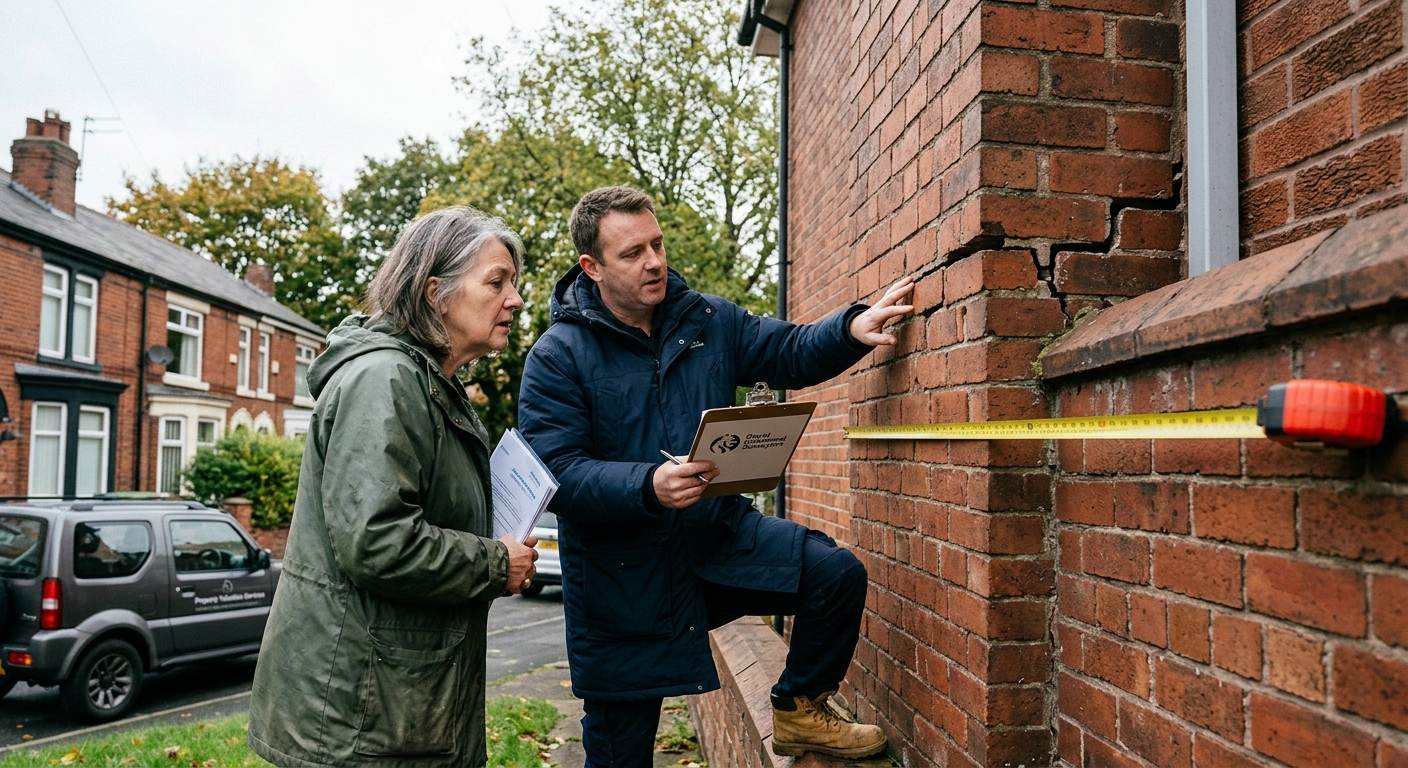
The valuer physically inspects the property (or, in some cases, works from a detailed desktop assessment where an inspection isn’t possible before auction day) and produces a written report with a supported value range or figure, along with the reasoning behind it.
How is this different from a bank valuation?
A bank valuation is commissioned by the lender, for the lender. Its purpose is to confirm the property is adequate security for the loan — it’s a risk check for the bank, not advice for you. Bank valuations also tend to happen after the contract is signed, which is too late if you’re trying to set a bidding limit.
How is this different from a real estate agent’s appraisal?
An agent’s appraisal is generally a marketing estimate, often on the higher side, prepared to help win the seller’s business or generate buyer interest. Agents aren’t independent in a sale — they’re acting for the vendor, and their appraisal reflects that. A pre purchase valuation, by contrast, is commissioned independently and isn’t influenced by who’s paying the agent’s commission.
Using a Pre Purchase Valuation to Set Your Auction Limit
Get it done early enough to matter
For a pre purchase valuation to be useful at auction, it needs to happen well before auction day — ideally as soon as the property is listed, or at minimum a week or two out. This gives you time to arrange the inspection, get the report back, and factor the figure into your finance and bidding strategy, rather than scrambling the night before.
Treat the valuation as your ceiling, not your target
A common misconception is that the valuation figure is what you should aim to pay. In reality, it’s more useful as a ceiling — the point past which you’re paying above independently supported market value. Where you start bidding, and how quickly you move, is a separate strategy question. But knowing your absolute limit in advance means you’re not making that decision in the heat of the moment.
Compare the valuation against the agent’s price guide
If the valuation comes in noticeably below the agent’s quoted range, that’s worth understanding before auction day — it might reflect something the valuer picked up (a defect, a less favourable comparable set, an overly optimistic guide) that’s genuinely relevant to your decision.
Build in a buffer for genuine “must-have” properties
Some buyers are comfortable paying a modest premium over valuation for a property that genuinely ticks every box and rarely comes up in that street or school zone. That’s a legitimate personal decision — but it should be a deliberate one, made in advance, not a decision made mid-auction because the bidding has momentum.
Walk away if the bidding blows past your limit
This is the hardest part in practice. Auctions are engineered to create urgency, and it’s easy to feel like “one more bid” won’t hurt. If the price moves well past what an independent valuer has supported, it’s usually a sign to let it go rather than stretch — there will be other properties, but there’s no cooling-off period to undo an auction-day decision.
Common Misconceptions Worth Clearing Up
“The price guide is roughly what it will sell for.”
Not necessarily. Guides can be set conservatively to attract more bidders, and in a hot market the final price can end up well above the guide.
“A bank valuation will catch it if I overpay.”
A bank valuation happens after you’ve already won at auction and are legally bound to settle. If it comes in low, you may need to find extra funds — it won’t get you out of the contract.
“I don’t need a valuation if I’ve done my own online research.”
Automated valuation estimates and online tools are a starting point, but they’re generally based on broad data and can miss property-specific factors like condition, layout, or a busy road — the things a physical inspection by a qualified valuer will pick up.
“Every state works the same way at auction.”
Broadly, yes — no cooling-off applies anywhere once the hammer falls — but the details around price guides, disclosure requirements, and contract terms do vary by state, so it’s worth checking the specific rules that apply where you’re buying.
Frequently Asked Questions
Can I still get a pre purchase valuation if the auction is only a few days away?
It’s tighter, but often still possible — many valuers can turn around an inspection and report within a few business days if you contact them early. The earlier you organise it after the property is listed, the more useful the report will be for your planning.
Does a pre purchase valuation replace a building and pest inspection?
No. A valuation focuses on market value, while a building and pest inspection focuses on structural condition and pest issues. For a property you’re seriously considering, most buyers arrange both.
What happens if I win at auction and the price ends up above the valuation?
You’re still legally bound to settle — there’s no cooling-off period to rely on. This is exactly why getting the valuation done before auction day, rather than after, matters so much.
Is a pre purchase valuation the same thing as a valuation for capital gains tax purposes?
No. A pre purchase valuation assesses current market value to help with a buying decision. A capital gains tax valuation is typically used to establish a cost base or market value at a particular date for tax purposes, and generally needs to meet different documentation standards for the Australian Taxation Office.
Can I use a pre purchase valuation to negotiate before auction if the property is passed in?
Yes. If a property doesn’t reach reserve and is passed in to negotiation, having an independent valuation in hand gives you a solid, evidence-based figure to negotiate from, rather than negotiating against the agent’s guide alone.
Conclusion
Auctions leave no room to change your mind — there’s no cooling-off period and no finance clause once the hammer falls. The best protection is deciding your maximum bid in advance, based on an independent pre purchase valuation rather than the price guide or the mood in the room. If the bidding pushes past that figure, it’s usually smarter to walk away than to stretch.
If you’re heading into an auction and want an independent, evidence-based figure to bid against, Capital Gains Tax Valuers can arrange a pre purchase valuation ahead of auction day. You can reach the team on +61 438 080 786 to talk through timing and what’s involved for your property.